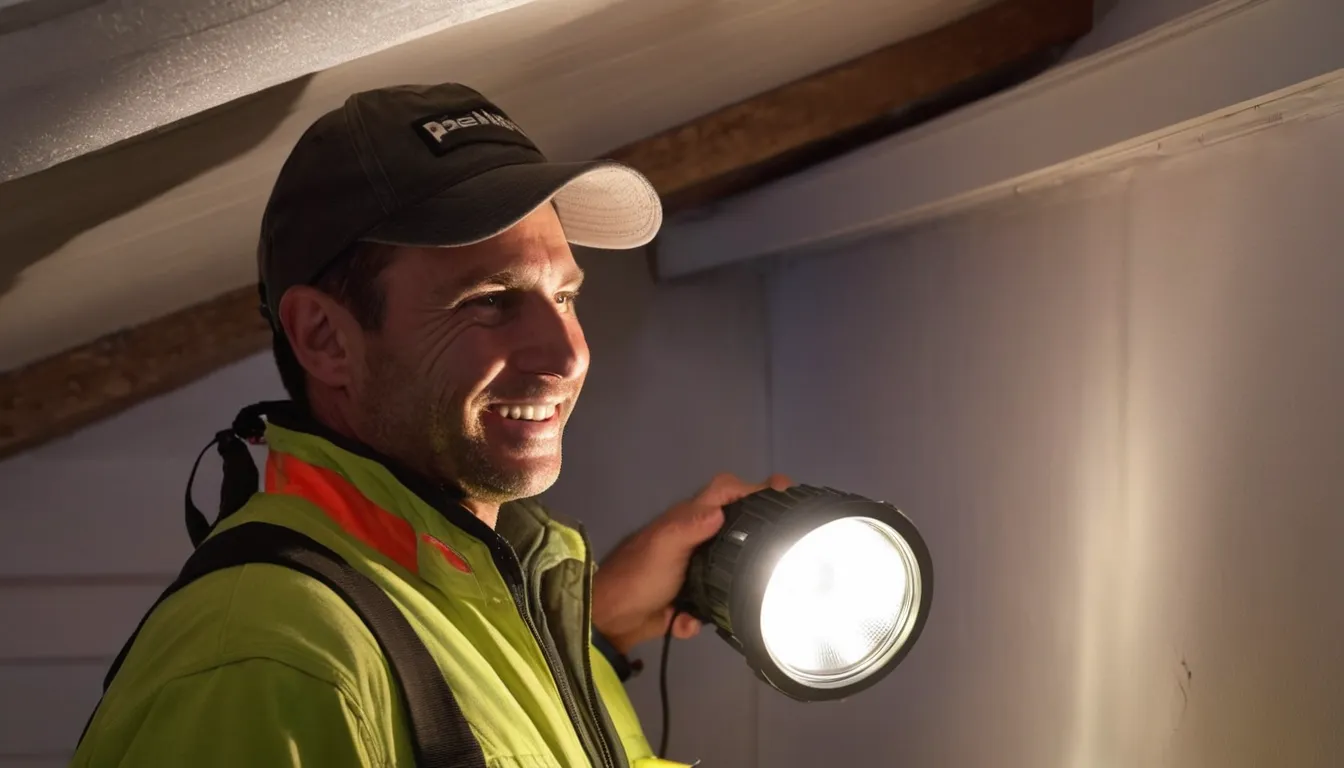
Rodent and Wildlife Removal for Your Home
Request an estimate today
Noises overhead at night usually mean an animal has found a way in. Mice, rats, squirrels, raccoons, and bats all look for warm, dry spaces. Colonial and split-level homes with attics and basements give them plenty of options. The longer an animal stays, the more it chews, nests, and leaves behind.
Actuallyrepublican Pest Control is a referral service. It does not do the work. It sorts your problem by animal, season, and urgency. Then it connects you with an independent provider in the La Plata area. The provider inspects, handles the animal, and talks you through repairs. This page shows what to check first, what the work looks like, and what to ask before you agree to a price.
Noises in the Attic or Walls? Start Here
Scratching, thumping, or squeaks mean something has moved in. Treat this page as a checklist. First, name the animal. Next, check the season. Then get the quote in writing.
What Happens as the Days Pass
Timing changes the outcome. Here is the usual order of events.
- First day: The animal explores and finds warm spots and food paths.
- Days 2 to 3: It starts a nest. Insulation gets pulled apart and flattened.
- First week: Droppings and urine build up. Odor may start to show.
- Week 2 and later: Gnawing on wires and pipes becomes likely. Young animals may be born.
Early action means a smaller repair list.
Check the Season
The calendar tells you what you are likely dealing with.
Fall
Nights cool down and mice and rats push indoors. Squirrels look for attic space to store food. This is the busiest time to seal gaps.
Winter
Freeze-thaw cycles open small cracks in foundations and soffits. Animals stay inside where it is warm. Nor'easters can also knock loose vent covers and flashing.
Spring
Raccoons and squirrels often have young in attics and chimneys. Removing a mother alone can strand babies. Providers plan around this.
Summer
Humid weather brings rats to damp basements and crawl spaces. Heat can make dead animals in walls smell worse and faster.
Signs to Check, in Order
1. Sounds at dusk or dawn, in the ceiling or wall. 2. Droppings along baseboards, in the attic, or near stored food. 3. Greasy rub marks along walls and pipes. 4. Chewed wires, boxes, or insulation. 5. Torn soffits, bent vents, or holes near the roofline. 6. A musty or sharp smell that keeps getting stronger.
Write down what you see and when. Providers use these notes to plan the visit.
Common Animals Providers Handle
- Mice and rats: Fast breeders that chew and contaminate.
- Squirrels: Loud in the daytime, hard on wood and wiring.
- Raccoons: Strong, and they can tear through weak roof spots.
- Bats: Protected in many areas, so rules matter.
- Opossums and skunks: Often under porches and decks.
How the Work Usually Goes
1. Inspect. The provider checks the attic, basement, roofline, and outside walls. 2. Identify. Droppings, tracks, and damage point to the species. 3. Remove. Traps, one-way doors, or other methods fit the animal and season. 4. Seal. Entry points get closed with durable materials. 5. Clean and repair. Droppings and soiled insulation may need to be cleared out. 6. Follow up. Many providers check that the animal is gone.
Humane Handling and Local Rules
Rules on trapping, relocation, and bats differ by town and state. Some animals cannot be moved or harmed during breeding season. Ask the provider how they follow local rules and how they treat young animals. A good plan avoids poison inside walls, since a dead animal there can cause a strong smell.
Choosing a Provider
Use this short list when you compare options.
- Ask for an inspection before any price.
- Ask if sealing the entry points is included.
- Ask how they handle babies and protected species.
- Ask what repair or cleanup is separate.
- Get the quote in writing.
Request a callback to check provider availability for your area.
Exterminator Near Me, or a Wildlife Specialist?
Many people search "exterminator near me" for any animal problem. Insects like ants and roaches fall under residential pest control. Larger animals in attics and walls often need wildlife removal skills. Bed bug treatment is also a separate job. Tell the provider exactly what you hear and see so the right person is sent.
Keeping Animals Out
Do these steps once the animal is gone.
1. Trim branches that touch the roof. 2. Cap chimneys and screen vents. 3. Seal gaps around pipes and cables. 4. Fix leaks and damp basement spots. 5. Store pet food and bird seed in sealed bins. 6. Recheck gaps each fall, before the first cold nights.
What's Included
Inspection and Diagnosis
A provider checks the attic, walls, and roofline to find the animal and every way it got in.
Humane Removal
Traps or one-way doors chosen to fit the animal, season, and local rules.
Entry Point Sealing
Gaps and damaged vents are closed so animals cannot simply return.
Cleanup and Repair
Providers may clear droppings, replace soiled insulation, and note damage for your records.
Typical Rodent and Wildlife Removal Costs
Prices vary by animal, home size, and how much damage there is. These are typical U.S. ranges only. Ask each provider for a written quote that lists what is and is not included.
| Item | Typical range | Notes |
|---|---|---|
| Inspection | $100 – $300 | Some providers apply it to the job |
| Mouse control | $200 – $700 | Often includes return visits |
| Rat control | $300 – $1,000 | Depends on how far they have spread |
| Squirrel or raccoon removal | $300 – $1,200 | Higher if babies are present |
| Bat exclusion | $500 – $3,500 | Season and local rules apply |
| Entry point sealing and repairs | $200 – $1,500 | Varies with roof and siding access |
How It Works
Describe the Problem
Tell us what you hear, where you hear it, and when it started. Note any droppings or damage.
We Connect You
Actuallyrepublican Pest Control matches your request with an independent provider in our network.
Get an Inspection
The provider checks your home and explains the findings and options.
Review the Written Quote
Compare the scope, sealing, and cleanup, then choose how to proceed.
Why Call Actuallyrepublican Pest Control
Seasonal Timing Matters
Breeding seasons and cold snaps change how and when animals can be removed.
Local Providers
Independent providers know local housing, weather, and animal rules in your area.
Clear Checklist
You get simple steps to follow, from naming the animal to comparing quotes.
No Obligation
Request an estimate, compare it, and decide on your own with no pressure.
Other Services
Need rodent & wildlife removal in La Plata?
Tell us what you found and where. Send the request form, or Request a callback to check provider availability. Local providers in our network will take it from there.
Rodent & Wildlife Removal FAQ
How do I know if it is mice, rats, or something bigger in my attic?
Check the sounds and droppings. Light, quick scurrying and small droppings suggest mice. Heavier thumps and larger droppings point to rats or squirrels. Loud crashing often means raccoons. A provider can confirm during an inspection.
Is it safe to wait on rodents or wildlife in the walls?
Waiting usually makes things worse. Animals nest, chew wires, and leave droppings that build up over days. Spring babies add urgency. Request a callback to check provider availability, or request an estimate to get started.
Does wildlife removal include sealing the holes?
Not always. Some quotes cover only removal, while others include sealing and cleanup. Ask for the scope in writing. Without sealing, animals can come back, especially when fall nights turn cold.
Reach a local provider
Tell us what you found and where. Send the request form, or Request a callback to check provider availability. Local providers in our network will take it from there.
No obligation